





With: Jeffrey N. Boozell and Christopher Tayback
partners in Quinn Emanuel’s Los Angeles office
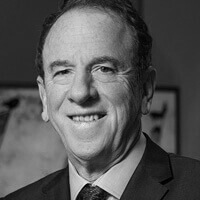
Host: John B. Quinn
Founder and chairman, Quinn Emanuel Urquhart & Sullivan
Share this episode:
Episode description:
John is joined by Jeffrey N. Boozell and Christopher Tayback, both partners in Quinn Emanuel’s Los Angeles office. They discuss wildfire litigation as a specialized and rapidly growing area of law, driven by increasingly destructive fires in California and other western states. What began as a relatively limited practice in the 1990s evolved into a major practice area after large California wildfires generated thousands of property loss claims and billions of dollars in damages. Jeff and Chris explain how these cases are structured, the legal theories involved, and the challenges of compensating victims.
Wildfire cases are generally mass torts rather than class actions. Because each homeowner suffers different losses and faces unique causation issues, claims are coordinated before a single judge but remain individual lawsuits.
These cases are typically brought against utilities, governments, and private entities that plaintiffs allege bear some responsibility for the disaster. One of the most important legal doctrines in California is inverse condemnation, which imposes liability on public utilities when infrastructure serving the public causes property damage. Under this doctrine, utilities may be responsible for property losses even without proof of negligence, distinguishing California wildfire litigation from cases in many other states.
Utilities are also frequently defendants because fires are often linked to power lines, equipment failures, vegetation management issues, or other infrastructure-related problems. Various ignition scenarios may occur, including power lines striking each other in high winds, trees coming into contact with power lines, and improperly maintained equipment. For example, in the Eaton Fire, evidence shows that an old, unused power line was not properly grounded, leading to sparks that ignited the fire. In the Palisades Fire, the Los Angeles Department of Water and Power emptied the Santa Ynez Reservoir to carry out repairs and left it empty for an extended period. As a result, firefighting helicopters were unable to collect and drop water from the reservoir, and eventually, fire hydrants in the area ran dry. Utilities understand these risks but often fail to implement adequate preventive measures.
Despite involving enormous losses and thousands of claimants, major California wildfire cases rarely reach trial. Instead, courts establish coordinated proceedings, identify bellwether cases, and encourage settlement through mediation programs or compensation funds. Insurance payments often cover only part of a homeowner’s losses, leaving substantial uninsured damages and emotional distress claims to be pursued through litigation.
The scale of the 2025 Los Angeles-area fires is unprecedented. Estimated damages exceed $200 billion, underscoring why wildfire litigation is likely to remain a significant area of legal practice for years to come.
Published: Jun 12 2026